Jev is a System One Model that returns typed decisions with calibrated probabilities — no text, no parsing, $0.042/MTok input, output free, 70–500ms latency. Here's the routing layer every marketing pipeline was missing, plus the caveats the launch post didn't lead with.
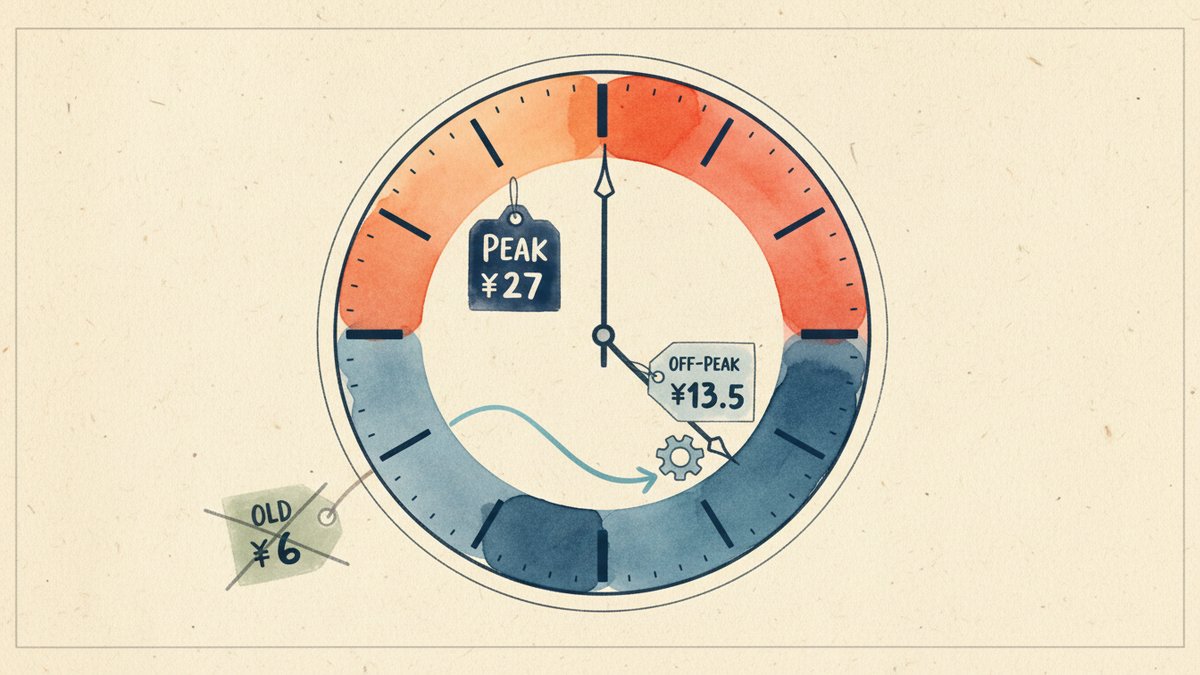
DeepSeek shipped V4.1 Flash on Sep 10 with an unusual Causal Encoder-Decoder architecture and a $0.003/M off-peak cache-hit rate — about a tenth of what V4 Flash charged. The model has also absorbed V4 Pro's traffic from Sep 14. A working marketer's first-week take on what to hand it, what to keep on Opus 5 or the frontier tier, and where V4.1 Flash sits in the cache-heavy background stack.
Anthropic's Fable 5.1 shipped September 1 with the same $10/$50 sticker as GPT-6 Astra but a 75% cache-read cut and flat pricing across the full 1M window. That changes which agent loops become viable: persistent brand-context documents can stay open across hundreds of turns. Four jobs to give it, two to keep on Opus 5, and three API breaking changes marketers need to patch this week.
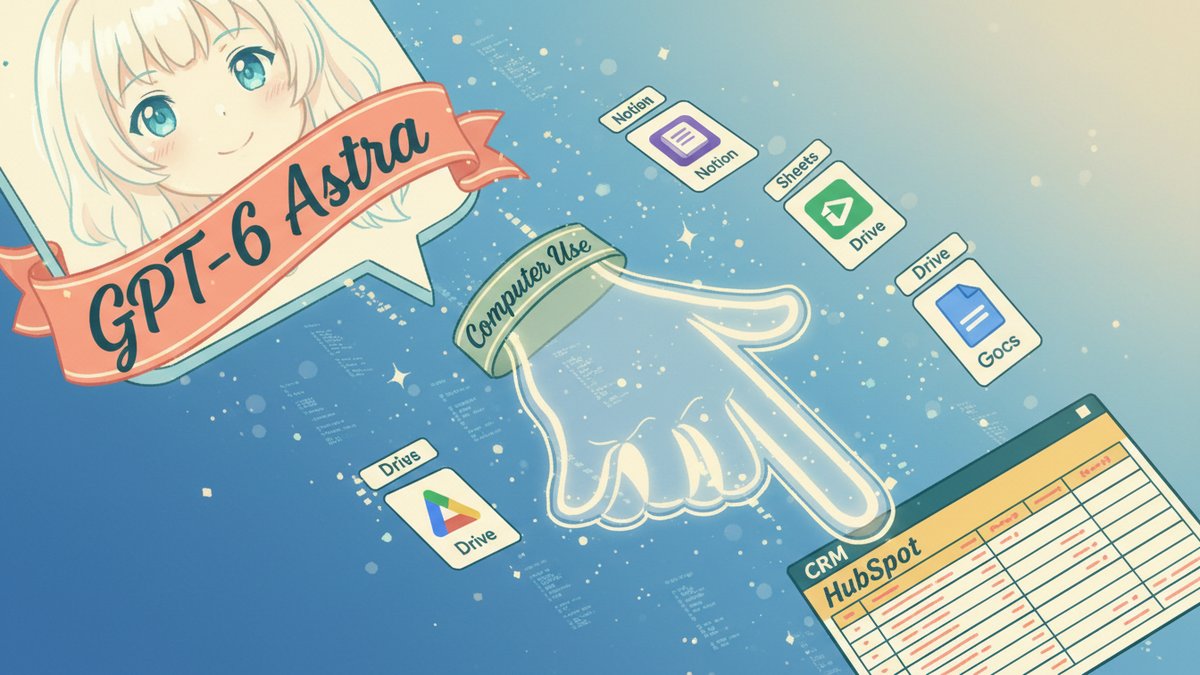
GPT-6 "Astra" landed September 3 at $10/$50 per 1M tokens with 1.05M context and 0% out-of-scope safety hits. The headline is Computer Use — a model that clicks through HubSpot, builds spreadsheets, and pulls competitor PDFs into structured tables. Five jobs worth routing to it, three to keep on Sol or Opus 5, and the routing principle that fits both.
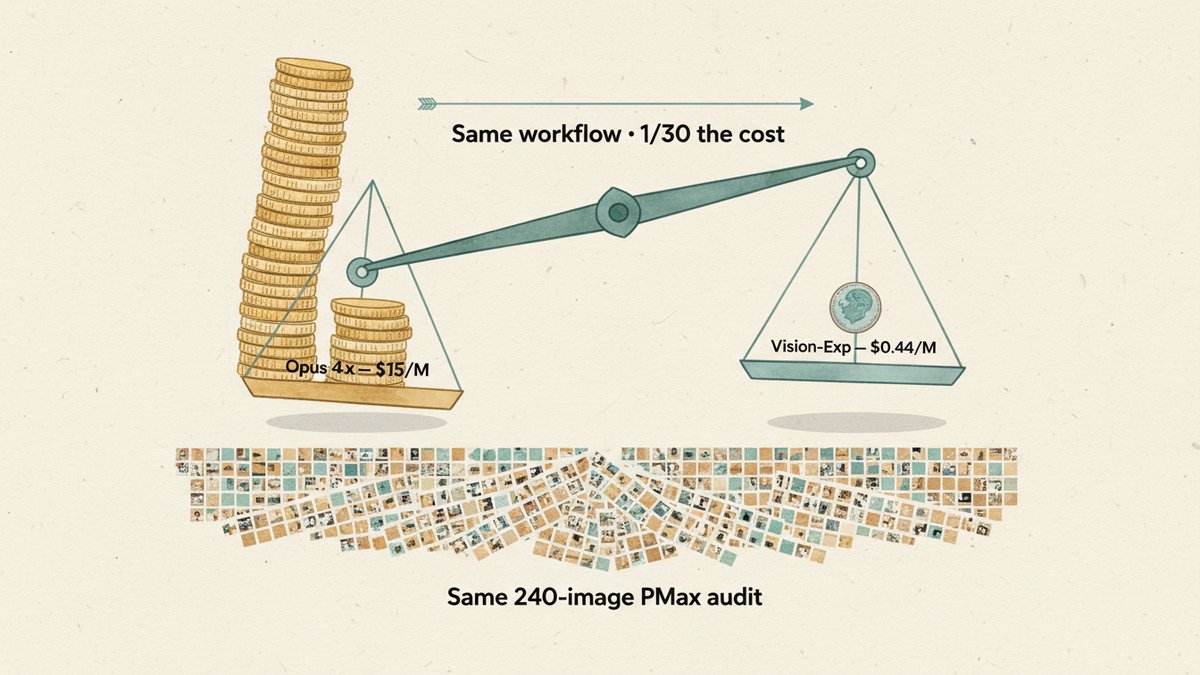
DeepSeek shipped V4-Flash-Vision-Exp on Aug 21 — the V4 family's first native vision endpoint, at the same Flash-tier pricing as the text model. A working marketer's first-day take on what to hand it, what to keep on Opus, and what to watch out for while it's still experimental.
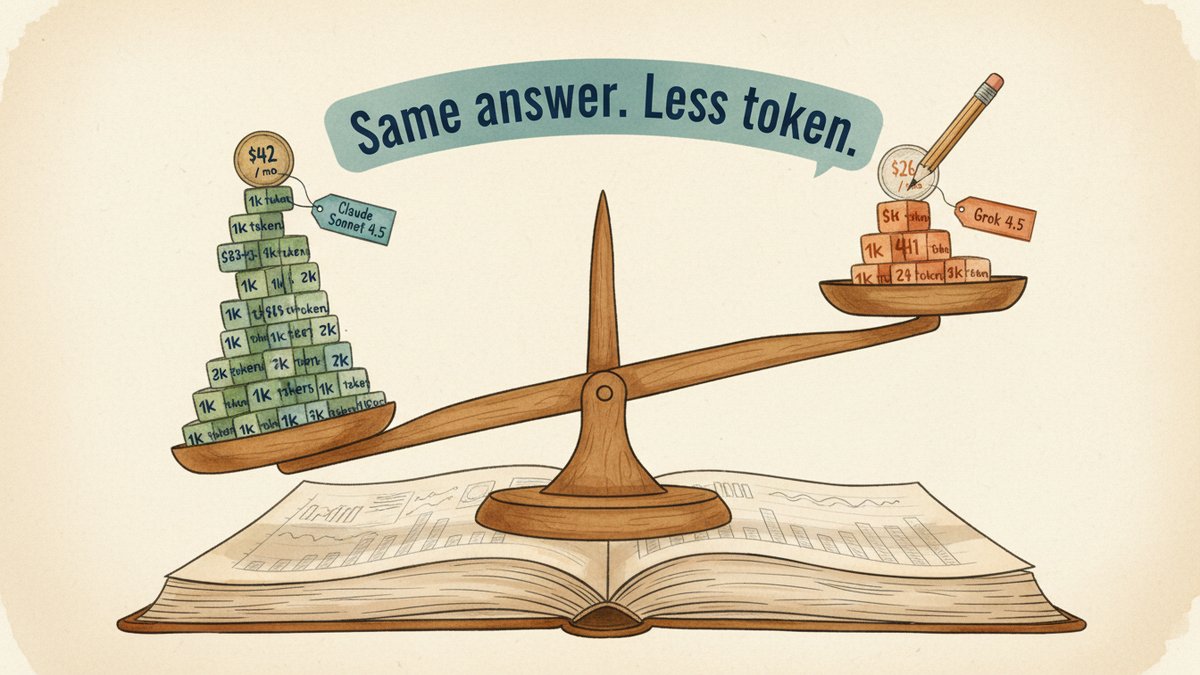
xAI shipped Grok 4.5 on July 9, 2026 at $2/$6 per million tokens, claiming Opus-class quality and roughly half the tokens of comparable models. After running it through a week of marketing pipelines, here's the cost math that actually matters, 5 jobs where I'd reach for it, and 3 where I'd skip it.
We haven't run Muse Spark through a real campaign yet — its developer API just opened as a US-only public preview. But the coding benchmarks are the least interesting part of this launch for marketers. The real story is where it's about to live.
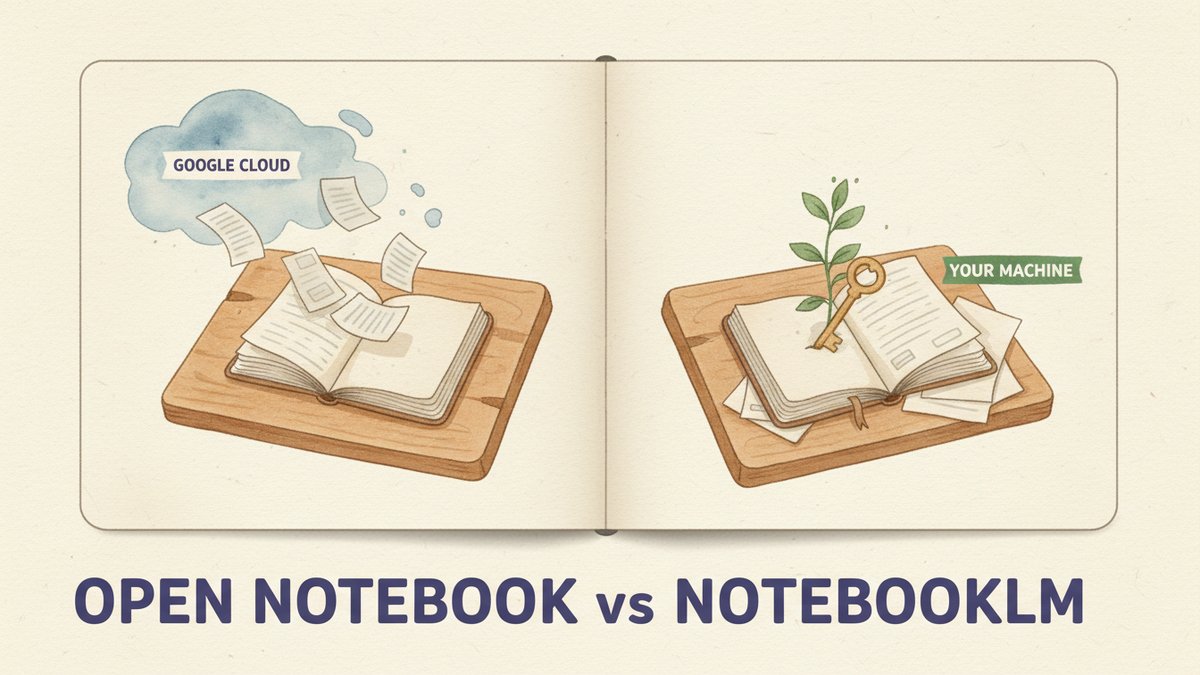
NotebookLM is free, polished, and the fastest way to chat with 50 PDFs. Open Notebook is open-source, self-hostable, and the only one of the two you can point at Ollama or your own Anthropic key. I ran both for a month on real marketing research — here's the head-to-head, the dimensions that actually matter, and which one I reach for when.
A practical walkthrough of Synthesia for marketers — what it's actually good at, who should pay for it, the real 8-step workflow, 2026 pricing, and the limits nobody mentions until you hit them.
D-ID's 'Creative Reality' turns a single photo into a talking avatar in minutes. Here's the real workflow, current pricing, and when to pick it over HeyGen or Synthesia.
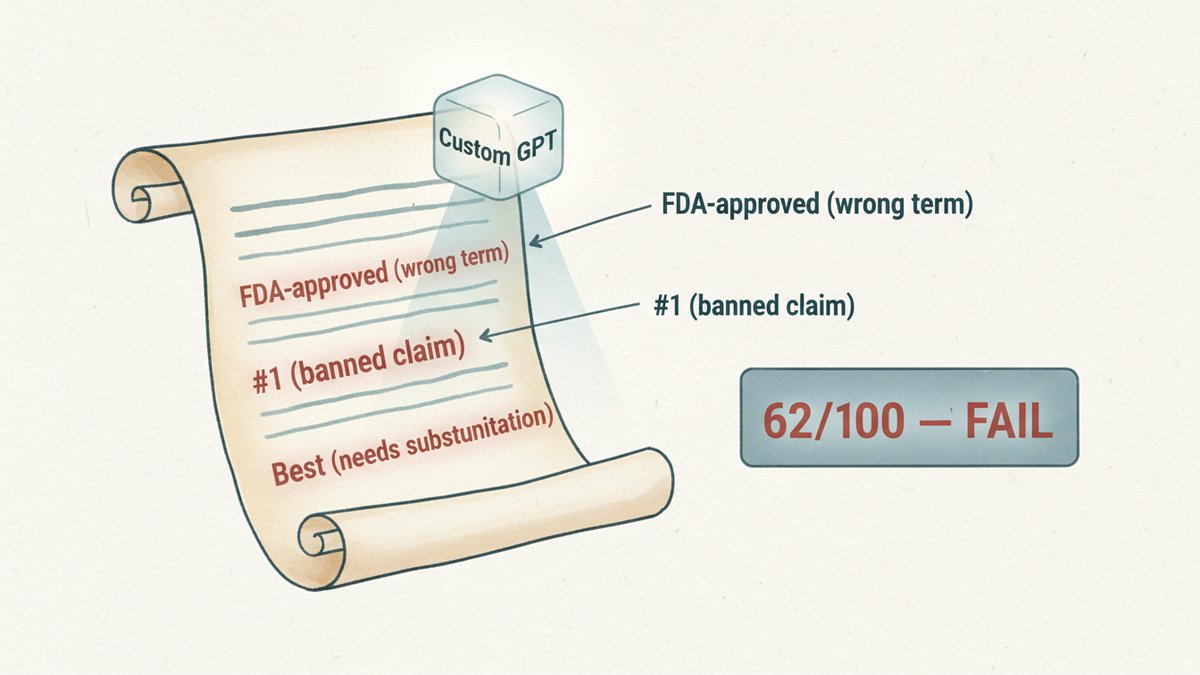
Train a Custom GPT on your brand guidelines doc, paste any draft, and get a line-by-line compliance score with violations flagged before anything ships. The 30-minute build.